
It’s the fourth quarter under the lights, and your kid limps off the field holding an ankle. Or they come home from practice and can’t straighten a finger. The question every parent asks next is the same: do we go to the emergency room tonight, or can this wait for an orthopedic office?
The honest answer is that it depends on what you see. Some injuries truly need the ER right away. Many others are bone, joint, and soft-tissue problems that an orthopedic walk-in clinic is built to handle, often with less waiting and a plan from people who treat these injuries every day.
Go to the ER (or call 911) for these
Don’t wait for an office visit if your child has:
- A bone poking through the skin, or a limb that looks clearly bent or out of place
- A hand or foot that is cold, pale, blue, or numb below the injury
- Any head or neck injury, confusion, passing out, or a possible concussion
- Severe pain that isn’t easing with rest, ice, and over-the-counter pain medicine
- Trouble breathing, chest or belly injury, or heavy bleeding
When in doubt about any of these, go to the ER.
What can usually wait for orthopedic walk-in care
Many Friday night injuries look scary but are stable. These are the ones an orthopedic team can usually sort out at the next walk-in visit:
- Ankle rolls and sprains, even with swelling and bruising
- Jammed or swollen fingers, and wrist pain after a fall on an outstretched hand
- Knee twists, especially with swelling or a feeling that the knee gives way
- Shoulder or elbow pain after a throw, tackle, or fall, when the arm still has normal feeling and color
- Pain over a bone that gets worse when your child puts weight on it
That last one matters in kids. Children still have growth plates, areas of growing cartilage near the ends of the bones, and an injury there can look like “just a sprain.” It’s one of the reasons a child with ongoing pain over a bone should get an exam and, if needed, an X-ray rather than being told to walk it off. If you’re not sure whether it’s a sprain or a break, that’s exactly the kind of question a walk-in visit answers.
What to do over the weekend
If the injury doesn’t need the ER, a few simple steps help until you can be seen:
- Rest it. No “trying it out” at Saturday’s game.
- Ice for about 15 to 20 minutes at a time, with a cloth between the ice and skin.
- Elevate the injured arm or leg above heart level when you can.
- Support it. A simple wrap or a homemade splint can make moving around more comfortable. Don’t wrap so tightly that fingers or toes change color or go numb.
- Watch for changes. If pain gets much worse, numbness appears, or the area turns pale or cold, go to the ER.
What happens at an orthopedic walk-in visit
At Movement Orthopedics, walk-in patients are seen by one of our orthopedic providers. The visit usually includes:
- A hands-on exam of the injured area
- On-site X-rays if needed
- Splinting or bracing when it helps
- A diagnosis and a clear plan in one visit, whether that’s home care, physical therapy, a follow-up, or a surgical consult for the less common injuries that need it
Because we are an orthopedic practice, the same team that sees your child on a walk-in basis can follow them through recovery and, through our sports medicine care, help plan a safe return to play.
Recovery and getting back in the game
Recovery depends on the injury. A mild sprain may settle in a week or two, while a fracture often means several weeks in a cast or boot followed by gradual return to activity. Your provider will give you a timeline that fits your child’s injury and sport. The goal isn’t just to heal, it’s to get back without re-injuring the same spot.
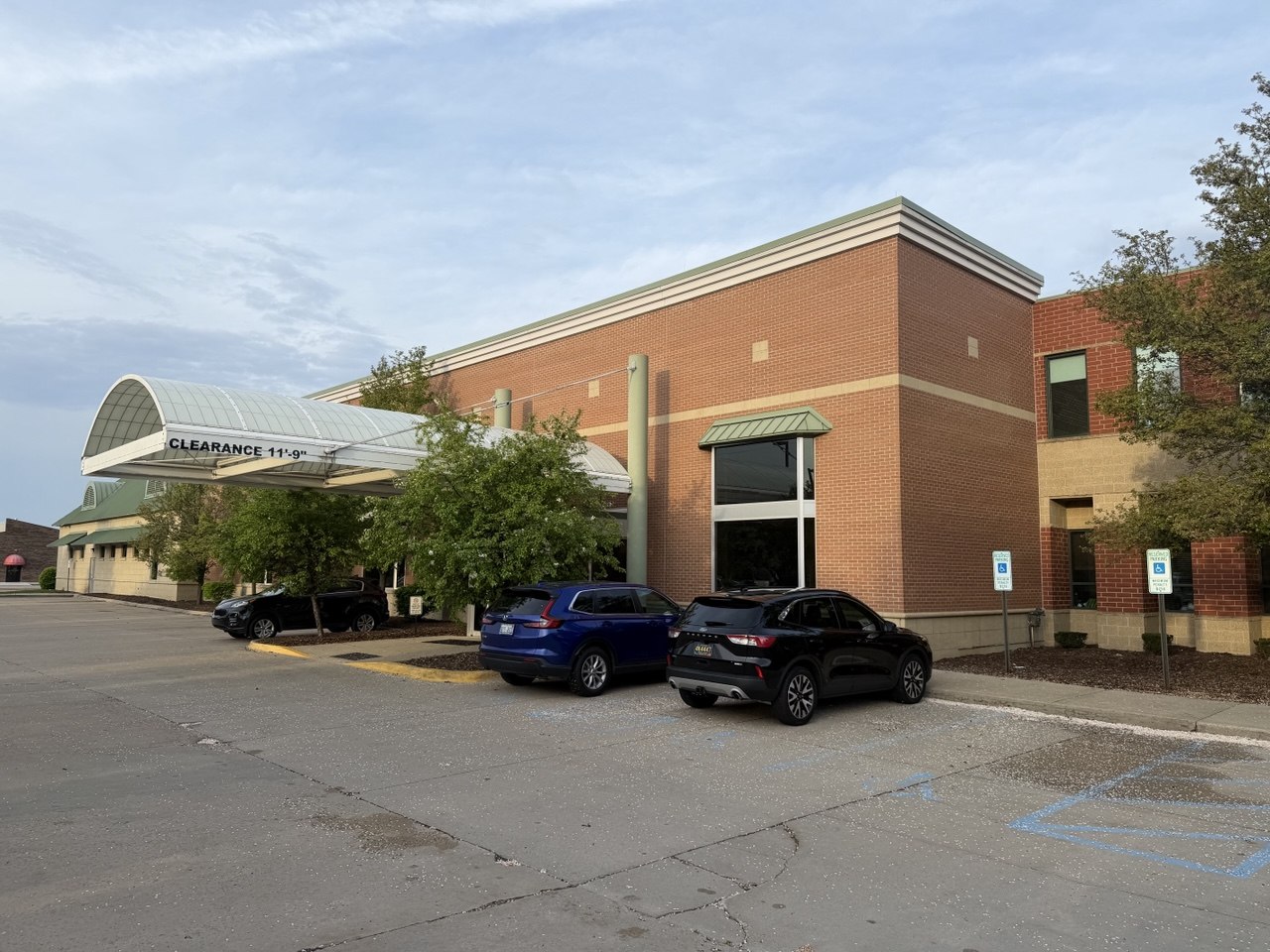
Walk in at our Clinton Township office
Movement Orthopedics welcomes walk-ins at our Clinton Township office, 43475 Dalcoma Dr., Suite 250. No appointment and no referral needed. Kids and teens are welcome as walk-ins. Walk-in times change from week to week, so check our current walk-in hours or call (586) 436-3785 before you come in.
This article is for general education and isn’t a substitute for medical advice. If your child is injured, see a physician for an evaluation of their own situation, and go to the ER for any emergency.