
If your knee has been aching for years, you have probably heard the phrase “robotic knee replacement” from a friend, a neighbor, or an ad. It sounds futuristic, and it raises fair questions. Is a robot doing the surgery? Is it better? Is it right for me?
Here is a plain-language look at what robotic-assisted knee replacement is, what actually changes for you as the patient, and what stays the same.
First, why people need a knee replacement
Most knee replacements are done for arthritis. Over time the smooth cartilage that cushions the joint wears down, and bone starts rubbing on bone. That shows up as pain on stairs, stiffness after sitting, swelling, and a knee that limits walks, work, or sleep.
Knee replacement resurfaces the worn ends of the bones with implants so the joint can move smoothly again. It can be a total knee replacement or, when the damage is limited to one part of the knee, a partial knee replacement. If you are weighing those two, our post on partial vs total knee replacement walks through the difference.
What “robotic” actually means
The word “robotic” can be misleading. The robot does not perform the surgery. Your surgeon does.
At Movement Orthopedics, Dr. Jeffrey J. Carroll, DO, offers knee replacement with the VELYS™ Robotic-Assisted Solution. Think of it as a precision tool in the surgeon’s hands. During the operation it helps the surgeon:
- Collect detailed information about your knee’s shape, alignment, and how the soft tissues around it behave as the knee bends and straightens
- Plan implant position and alignment for your particular knee
- Guide the bone cuts so they match that plan
The goal is a knee that is well aligned and balanced for your anatomy. The surgeon makes every decision and can adjust the plan at any point.

What changes for you, and what doesn’t
What may feel different:
- Your surgeon may talk with you about alignment and soft-tissue balance in more detail, because the system gives very specific data about your knee.
- The plan for your implant is fine-tuned during surgery, not just from X-rays beforehand.
What stays the same:
- You still have a real operation, with anesthesia, an incision, and implants.
- You still need physical therapy. Recovery depends heavily on the work you put in afterward. (See why physical therapy after joint replacement matters so much.)
- The basic reasons to have surgery, and to wait, don’t change.
Robotic assistance is one tool. It does not replace a careful exam, honest conversation about your goals, and good rehab.
Who is a candidate?
Knee replacement, robotic-assisted or not, is usually considered when:
- Arthritis pain keeps limiting daily life
- Non-surgical care such as activity changes, weight management, therapy, bracing, medications, or injections no longer gives enough relief
- X-rays confirm significant joint damage
Many patients who are candidates for knee replacement may also be candidates for the robotic-assisted approach, but not every knee or every situation is the same. That is a decision you and your surgeon make together after an exam and imaging.
What recovery usually looks like
Every recovery is different, so think in ranges, not promises:
- First days: Most patients are up and walking with help soon after surgery. Pain is managed with a plan your team sets up ahead of time.
- First few weeks: Daily exercises and physical therapy focus on bending, straightening, and walking more easily. Swelling and stiffness are normal and improve gradually.
- Following months: Strength, stamina, and comfort keep improving. Many people return to walking, golf, and everyday activities over several months, at their surgeon’s pace.
Your age, overall health, the condition of your knee, and how consistently you do your exercises all shape the timeline.
When to get your knee checked
Consider an evaluation if:
- Knee pain is waking you at night or limiting how far you can walk
- Injections or therapy help less than they used to
- Your knee feels unstable, swollen, or stiff most days
- You are simply curious whether robotic-assisted knee replacement is an option for you
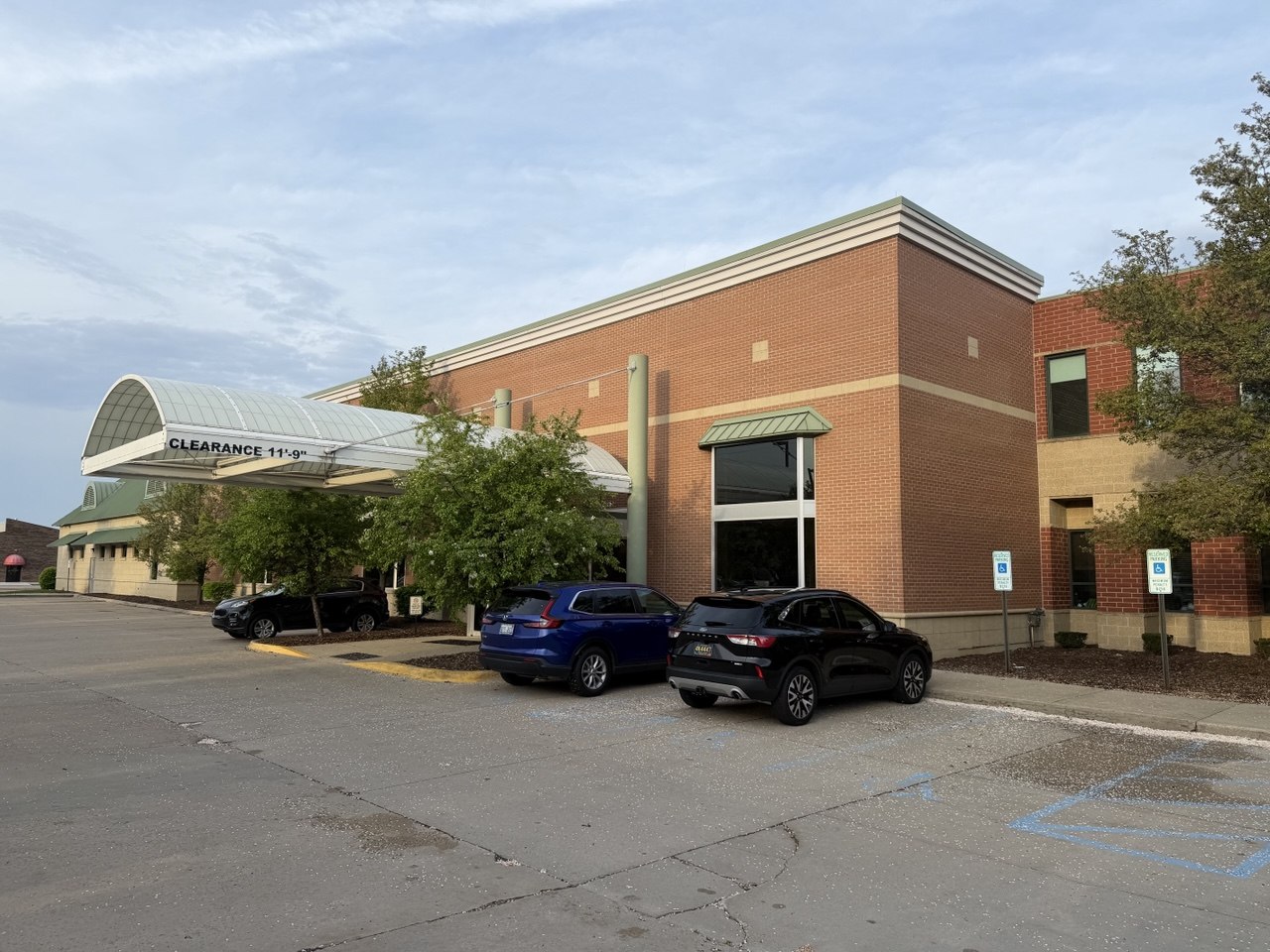
Talk with Dr. Carroll in Clinton Township
Dr. Jeffrey J. Carroll, DO, is a board-certified orthopedic surgeon at Movement Orthopedics who specializes in hip, knee and shoulder replacement, revision replacement, and shoulder and knee arthroscopy. Learn more about our knee care and robotic knee replacement or meet Dr. Carroll.
Movement Orthopedics
43475 Dalcoma Dr., Suite 250, Clinton Township, MI 48038
Call (586) 436-3785 to schedule a knee evaluation.
Walk-in availability changes week to week. Call us or check the current walk-in schedule before you come in.
This article is for general education and is not medical advice. Every knee is different. See a physician to talk about your own situation and treatment options.